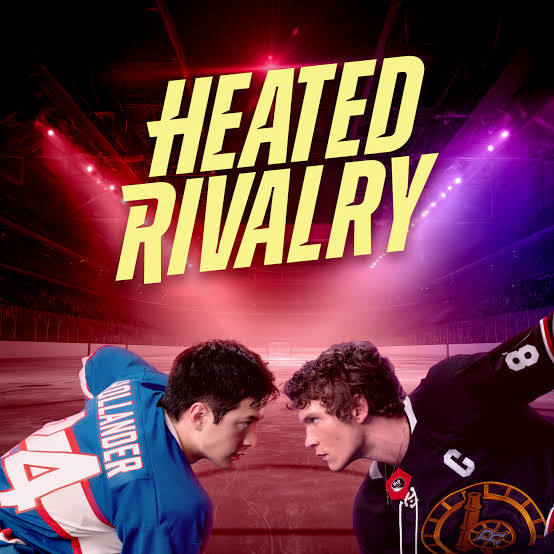
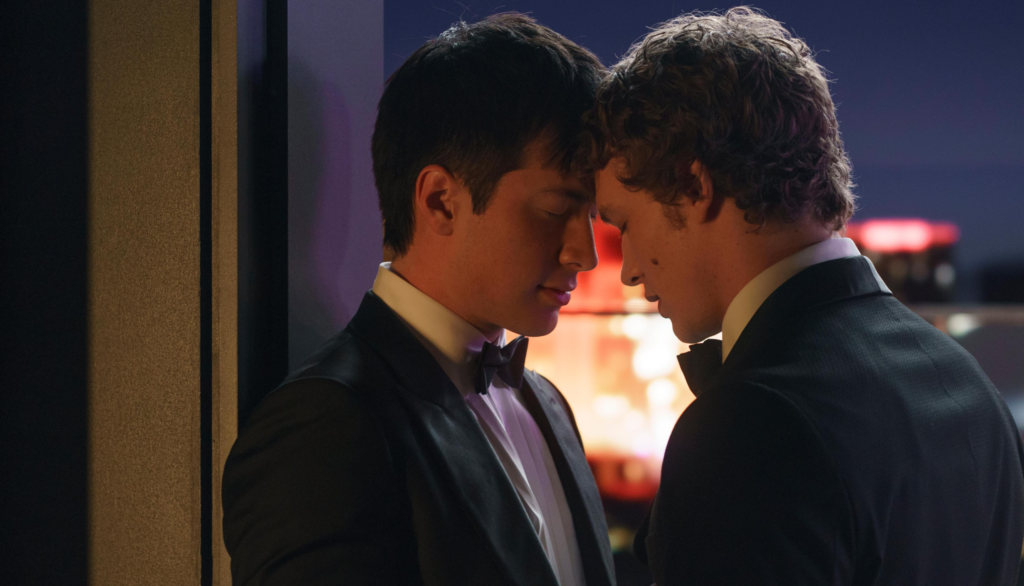
If you haven’t already watched Heated Rivalry Season One… what are you doing?
Country: Canada
Episodes: 6 episodes
Where to Watch: HBO (US)
The series released in late 2025 as an adaptation of Rachel Reid’s novel, and normally I always read the book before watching an adaptation. This time, though, the show completely broke my routine. Heated Rivalry arrived with the kind of quiet confidence that turns curiosity into obsession almost immediately, and before I knew it, I had finished the entire season and only then picked up the novel afterward.
And yes; it absolutely lived up to the hype.
If you’re planning to continue Ilya and Shane’s story, I’ll also be sharing my thoughts on The Long Game, which continues their journey beyond this season. That book will likely shape what we see in Season Two, and honestly, reading it made the waiting period feel just a little less impossible.
Heated Rivalry | Synopsis
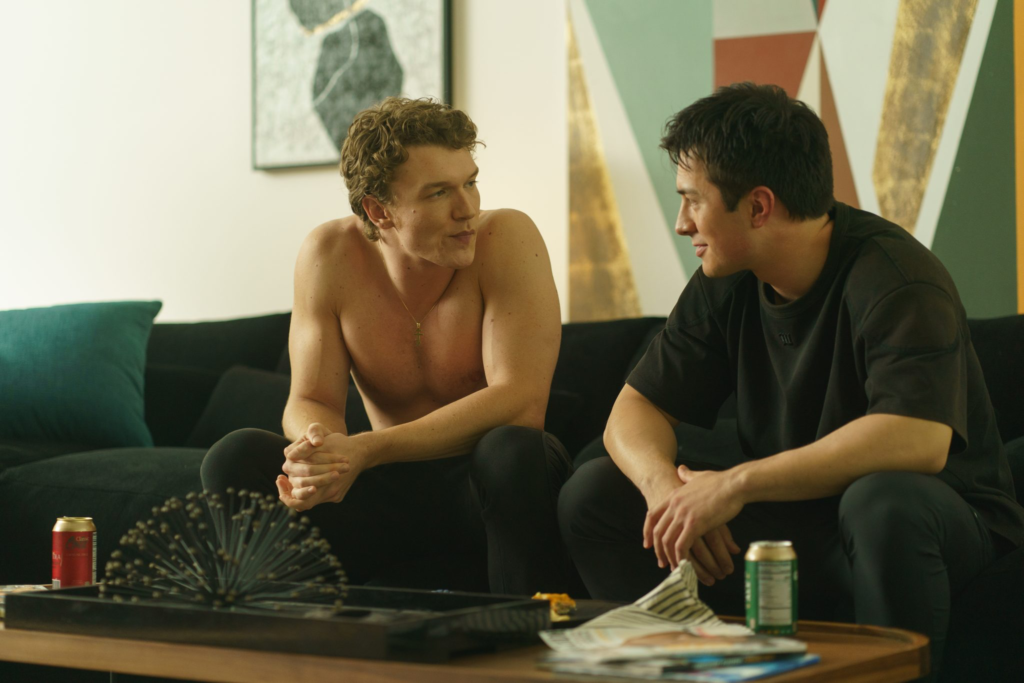
Heated Rivalry follows Ilya Rozanov and Shane Hollander, two elite hockey players who meet just before their rookie season in the professional league and immediately become positioned as rivals.
Both are among the best players of their generation. Fans constantly debate who’s better, the league quietly fuels the competition, and both of them genuinely want to be number one. Their rivalry is real—but so is the tension growing underneath it.
Ilya plays for Boston. He’s confident, sometimes openly cocky, and constantly taunts opponents on the ice, but he has the skill to back up every word. Shane, by contrast, is strategic, composed, media-trained, and focused on performance rather than theatrics. Where Ilya burns bright, Shane moves carefully.
Their rivalry pulls them together, but identity, expectation, and secrecy keep them apart.
Over time they begin influencing each other in small but meaningful ways. Shane becomes more expressive. Ilya becomes softer. Neither of them wants to admit what’s forming between them—and neither of them can ignore it either.
Because they’re both closeted, Because hockey culture still carries stigma, Because reputation matters.
So their relationship grows in secret, hotel rooms, quiet visits, and stolen moments between games, until secrecy itself becomes part of their story.
Character Analysis
Ilya Rozanov
Ilya being Russian shapes nearly every decision he makes early in the story. He knows who he is, he knows he is bisexual, but being open about it has never felt safe.
The cultural pressure he carries follows him even while playing professionally abroad. His father, a strict military officer, remains emotionally distant even in the face of Ilya’s success. His brother, working in law enforcement, carries a similar weight of judgment. Despite this, Ilya continues supporting his family financially because they are still his family and because loyalty is one of the quiet ways he shows love.

His mother’s death by suicide when he was young left him without emotional support during the years he needed it most. Instead of comfort, he was raised inside expectations of strength and silence.
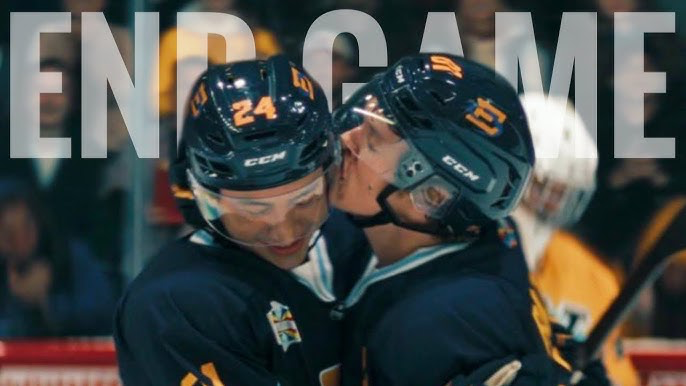
So Ilya learns to hide everything. Until Shane. Around Shane, he laughs more freely. He cries more openly. He begins imagining a version of life where Russia is not the only definition of home he’s allowed to have. Slowly, almost without realizing it, Shane becomes home.
Shane Hollander

Shane is often perceived as Ilya’s opposite, but what makes him compelling is how layered his quietness really is.
He is structured, thoughtful, and deeply internal in the way he processes emotion. While the series never labels it directly, many viewers interpret Shane as being on the autism spectrum based on how he communicates and responds to pressure. Whether intentional or not, the portrayal feels respectful and grounded rather than exaggerated.
Shane grows up surrounded by love. His parents had hoped for more children but poured everything into him instead, which gave him stability, but also created pressure to live up to that love perfectly.
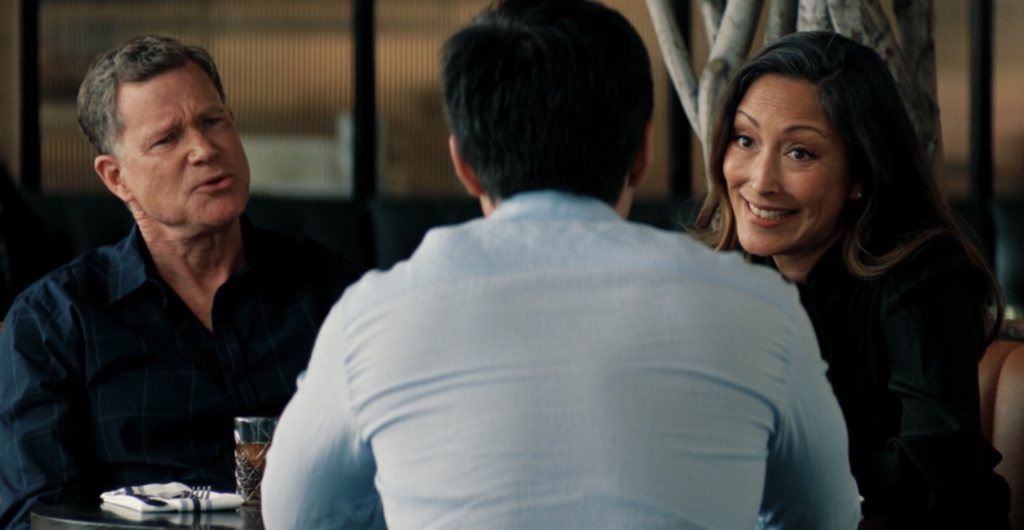
That pressure becomes overwhelming when his father unexpectedly walks in on him and Ilya. Shane panics, spirals, and struggles to breathe, not because he expects rejection, but because he fears disappointing the people who have always supported him.
When he finally speaks to them, one of the first things he says is that he tried to be better. He tried not to feel this way. He tried not to love Ilya. And instead of rejection, they stay.
Another important part of Shane’s journey is that he doesn’t immediately know how to define himself. Midway through the season, he tells Ilya, “I think I’m gay,” while still figuring things out. Ilya barely reacts, not because it isn’t important, but because their relationship already feels like the answer to him. He already knew Shane was gay and it felt like a silly admission to your lover.
For Shane, though, naming it matters. His identity unfolds gradually, honestly, and at his own pace and Ilya becomes part of that discovery without ever trying to control it.
Heated Rivalry Notes
Their chemistry feels like something that never needed permission to exist. It just happens—quietly, naturally, and inevitably.
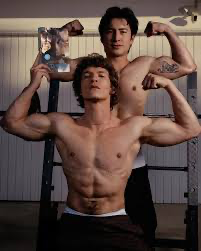
Nothing about their connection feels forced or overly staged. The emotional rhythm between them feels lived-in rather than scripted, which is rare even in strong adaptations.
Whether it’s because the actors share a strong off-screen friendship or simply excellent direction, the result is the same: the relationship feels believable in a way that pulls you in immediately.
Instead of polished perfection, we get authenticity, and honestly, that makes everything stronger.
Writing and Adaptation of Heated Rivalry
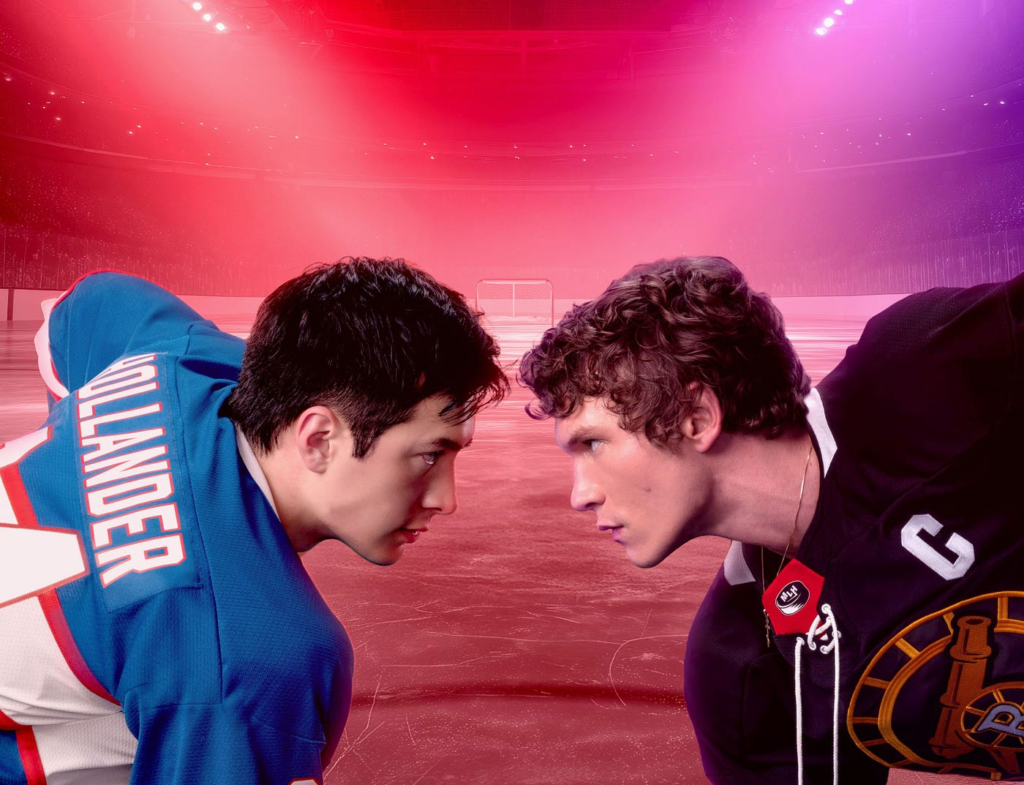
The writing throughout the series feels intentional from beginning to end. Nothing feels like filler, and nothing exists purely for spectacle.
The emotional progression between Ilya and Shane unfolds at a pace that feels realistic rather than rushed, allowing their connection to deepen naturally over time. You can feel the trust between the cast and the director shaping the story, and that trust becomes visible in the performances.
Story, pacing, dialogue, and character growth all move together instead of competing for attention and that cohesion makes the series feel confident in itself.
Cinematography and the Vibe of Heated Rivalry
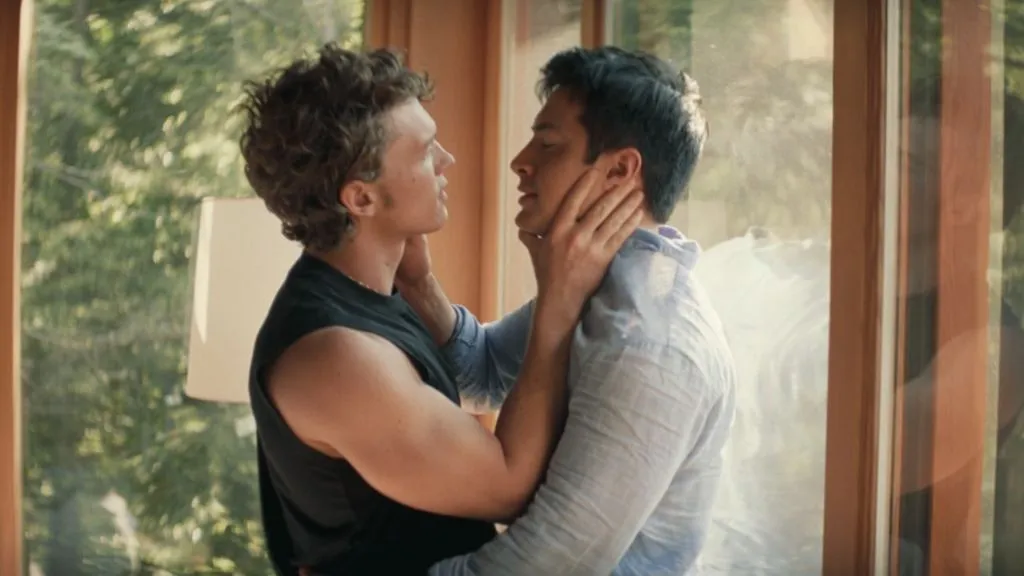
The visual tone of the series leans toward realism rather than stylized perfection, which makes the emotional moments feel even stronger.
Instead of dramatic lighting designed to impress, the cinematography supports intimacy. Scenes feel soft when they need softness and grounded when they need weight. The balance between emotional scenes, quieter character moments, and intimacy creates a world that feels lived in rather than performed.
The intimacy scenes especially feel intentional and carefully directed. Nothing feels random or exaggerated for effect. Instead, they support the emotional story being told between the characters, which makes them feel meaningful rather than decorative.
One of the strongest aspects of Heated Rivalry is its authenticity.
We see real bodies, real emotions, and real human presence—freckles, stretch marks, vulnerability, and imperfection included. Nothing feels airbrushed into distance. Everything feels close enough to touch.
What stayed with me most after finishing the series was how grounded it felt. It never tried to convince the audience it was important.
It simply trusted its story.
And that trust worked.
Final Thoughts + Rating
It wouldn’t be a proper BL review without the final rating—and especially the spice level.
My overall rating for Heated Rivalry is:
5 / 5
No hesitation, No debate, No overthinking required. I’ve already watched this series at least five times, and I know I’ll watch it again. The characters feel intentional, the emotional progression feels earned, and nothing about the story feels like it was added just for effect. You can feel the connection between the cast and director shaping the production in a way that elevates everything on screen.
And the spice level?
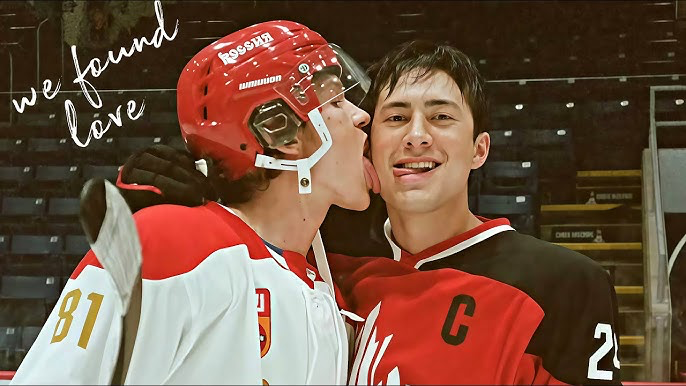
The intimacy scenes are intense but emotionally grounded, and what makes them work is the balance between physical closeness, emotional vulnerability, and lighter moments of playfulness. Nothing exists in isolation—everything builds the relationship instead of distracting from it.

Honestly… I’m already ready for Season Two.
And after a first season like this, expectations aren’t just high—they’re hopeful.
Leave a Reply